Creating a home workspace that promotes relaxation and productivity can transform your daily routine and improve your overall well-being. Whether you work from home full-time or occasionally need a dedicated spot for tasks, having a well-designed, calming environment helps reduce stress and boost focus.
In this post, we’ll explore practical tips to set up a relaxing home workspace tailored to your needs.
Why a Relaxing Workspace Matters
A cluttered, noisy, or uncomfortable workspace can hinder productivity and increase feelings of anxiety. Conversely, a thoughtfully arranged area can:
– Encourage concentration
– Reduce distractions
– Improve mood and mental health
– Make work feel more enjoyable
Investing time in creating a balanced, calming space often results in better work habits and enhanced creativity.
Choose the Right Location
Selecting where to set up your workspace is the first step. Consider areas with:
– Good natural light to reduce eye strain and boost mood
– Enough room for necessary equipment and movement
– Minimum foot traffic to avoid distractions
If space is limited, try converting a corner or a small nook rather than a frequently used social area.
Prioritize Comfort and Ergonomics
Comfort plays a significant role in productivity. An ergonomic setup prevents physical discomfort that can distract you from work. Keep in mind:
– Use a supportive chair adjustable to your height
– Position your desk at a height where your arms rest comfortably
– Place your computer screen at eye level
– Keep frequently used items within easy reach to avoid strain
Small adjustments in posture and equipment can make a big difference over time.
Manage Lighting Effectively
Lighting affects how relaxed and alert you feel. Aim to:
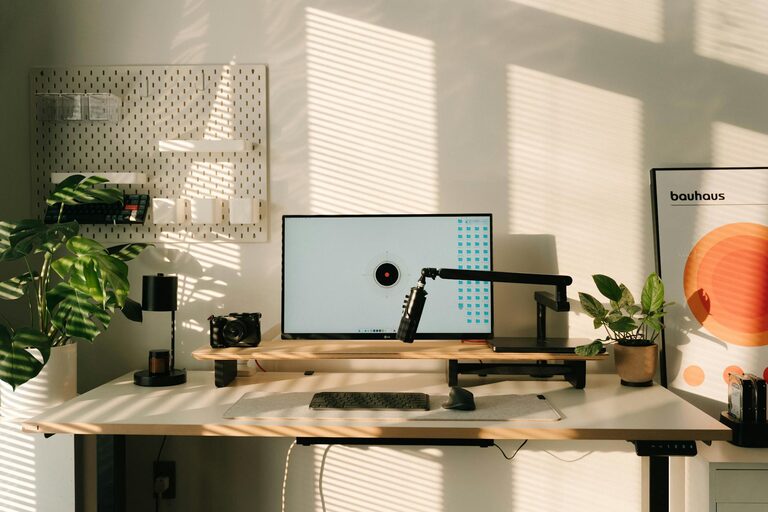
– Maximize natural daylight by placing your desk near a window
– Use a soft, warm desk lamp for evening work to reduce blue light exposure
– Avoid harsh overhead lighting or strong glare from screens and windows
Adjust lighting throughout the day based on your tasks and preferences.
Declutter and Organize
A tidy workspace contributes to a clear mind. To keep clutter under control:
– Use storage containers, shelves, or drawers to organize supplies
– Keep only essential items on your desk to avoid distractions
– Practice daily or weekly tidying routines
Organizing your space can reduce stress and make it easier to focus on work.
Incorporate Calming Elements
Adding relaxing touches can make your workspace feel inviting and soothing. Consider:
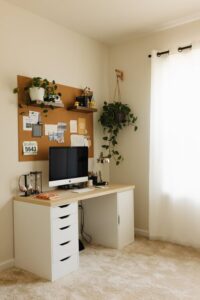
– Indoor plants to improve air quality and create a natural vibe
– Soft textures like a cozy rug or cushions
– Personal items that inspire you, such as artwork or photographs
– A diffuser with mild essential oils like lavender or eucalyptus
These small details support a calm atmosphere that encourages productivity.
Set Boundaries and Signals
When your workspace is at home, it’s important to mentally separate work time from relaxation. Try:
– Declaring specific work hours and sticking to them
– Using headphones or a “do not disturb” sign if you share space
– Turning off work notifications outside working periods
Clear boundaries enhance focus and protect your well-being.
Take Breaks and Move
Even in a relaxing workspace, it’s essential to step away from your desk regularly. Benefits of breaks include:
– Reduced eye strain and muscle tension
– Increased creativity and problem-solving
– Improved energy levels
Try setting a timer to remind yourself to stand, stretch, or take short walks every hour.
Personalize Your Workspace Mindfully
While personalization is encouraging, avoid overdecorating, which can create distractions. Focus on:
– Elements that motivate and relax you
– Keeping the overall look clean and calming
– Adjusting the setup over time as your needs change
Being intentional with decorations helps maintain a positive work environment.
—
By incorporating these tips, you can create a home workspace that promotes relaxation and productivity. Remember, a comfortable, organized environment is key to feeling your best while tackling daily tasks. Start small and customize your space to suit your workflow and personal preferences.
A relaxing home office is not just a place to work—it’s a space where your well-being and creativity thrive.